Entry · Ref ST97HPOY
Steps to Take After Locking Your Keys Inside the Car
- Posted
- 2026-11-23
- Last amended
- 2026-11-23
- Account
- @securedoornotes
Stay calm and assess the situation
Locking your keys in the car can feel like a small crisis, especially if you are in a hurry or in an unfamiliar area. The first thing to do is pause and breathe. Panicking leads to rushed decisions that could damage the vehicle or cost you more time and money. Take a moment to check all doors. Sometimes a rear door or the trunk was left unlocked. If the car has a manual trunk release inside the cabin, and the trunk is accessible from inside the passenger compartment, you might be able to reach through a folded seat. But if all doors are locked, you need a plan.
Check if a spare key is reachable
If you have a spare key at home or with a family member, that is often the simplest solution. Call someone who can bring it to you. If you are near your home or office, walking to retrieve it takes only a few minutes. Many people keep a spare key in a magnetic box under the car, but that is a riskier habit because thieves know where to look. If you do have a spare hidden on the vehicle, now is the time to use it. Otherwise, move on to other options.
Evaluate your tools and circumstances
Before you try anything yourself, consider what is at stake. Modern cars have complex locking mechanisms and electronics. A simple slip with a coat hanger or a slim jim can scratch paint, damage weather stripping, or even break a window regulator. The cost of repairing that damage is often higher than calling a professional. If your car is older and has manual locks with simple linkage rods, a careful owner might attempt a DIY method. But for most late-model vehicles, the risk is not worth it.

If you decide to try a DIY approach, you will need the right tools. A long, thin piece of metal like a coat hanger can work for some cars, but you must be gentle. Slip it through the top of the door frame near the window seal, then try to hook the interior door handle or the lock button. This takes patience and a steady hand. Watch out for sharp edges and for the paint on the door frame. Another common method is using a small inflatable wedge to create a gap in the door seal, then inserting a long rod to press the unlock button. Inflatable wedges can be bought online, but they are not foolproof and can damage door seals if overinflated.
When to call a professional
If you cannot get the door open in a few minutes, or if you are unsure about the process, it is time to call for help. A mobile locksmith can arrive at your location, often within half an hour. They have the right tools and training to open your car without damaging it. This is especially important for cars with electronic locks, transponder keys, or complex locking systems. Trying to force entry on such a vehicle can trigger the alarm, disable the immobilizer, or even require a replacement lock cylinder.
One reliable option is locksmithvaughanontario.com, a 24/7 mobile locksmith serving Vaughan, Ontario with emergency lockouts and automotive services. They can handle the job quickly and safely, so you are back on the road without the stress of DIY damage.
Prepare for the locksmith
When you call a locksmith, have a few details ready: the make, model, and year of your car, and your location. If you are in a parking lot, note the nearest landmark or aisle number. The locksmith might ask for proof of ownership, such as your driver’s license and vehicle registration. This is a standard security measure to prevent unauthorized access. Have those documents ready if possible. If they are also locked in the car, the locksmith will typically still help, but they may take extra steps to verify you are the owner.
What the locksmith does
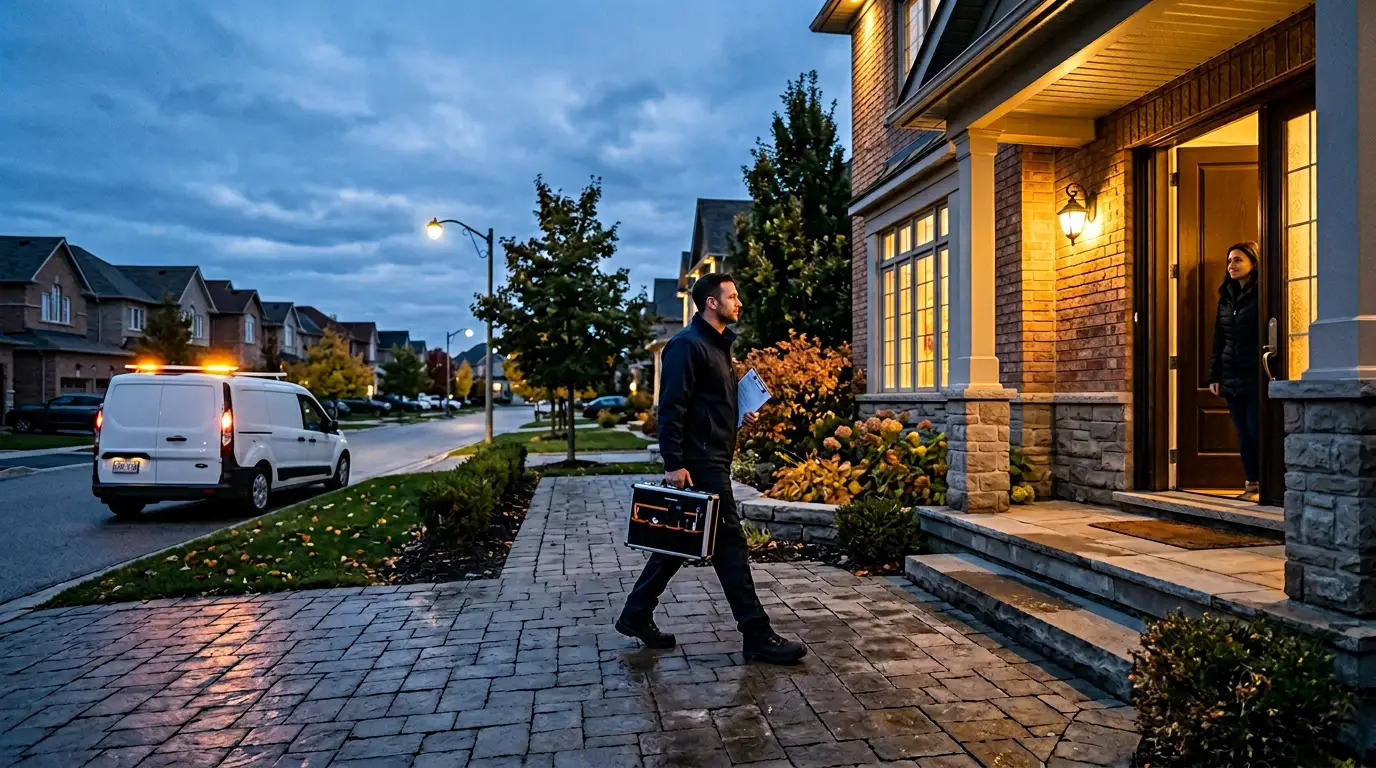
A professional locksmith uses non-destructive entry techniques. They might use a long reach tool that slides between the window and the door frame, or an air wedge to create a gap, then a rod to press the unlock button. For cars with manual lock buttons, they may use a slim jim to manipulate the linkage. These methods do not damage the car, and they are quick. In most cases, the door is open within a few minutes. If your car uses a transponder key and the key is inside, the locksmith can often retrieve it without needing to program a new key. But if the key is lost or broken, they can also cut and program a replacement on the spot.
After you are back inside
Once you have your keys again, take a moment to think about prevention. Consider having a spare key made and keeping it with a trusted person or in a secure place outside the car. Some people buy a small magnetic box and attach it to the undercarriage, but that is not secure and the box can fall off. A better idea is to keep a spare key in your wallet or purse if you carry one, or give one to a family member who lives nearby. Also, check your habits. Do you often set the keys on the passenger seat while loading groceries? Do you lock the door automatically when you close it? Being aware of these moments can help you avoid a repeat lockout.
What to avoid
Do not try to break a window unless there is an emergency, such as a child or pet trapped inside and the temperature is dangerous. Breaking a window is expensive and creates a mess. Even if you think you can break it cleanly, safety glass shatters into small cubes that are hard to clean up. Also, do not use a screwdriver or a knife to pry the door open. That will bend the frame and damage the paint. And do not pour any liquid into the keyhole or around the door seals, that will not help and can cause rust or electrical shorts.
After hours and emergency situations
Lockouts happen at all hours. If you lock your keys in the car late at night or on a weekend, a 24/7 mobile service like locksmithvaughanontario.com can still respond. They are available for emergency lockouts at any time, so you do not have to wait until morning. When calling after hours, be prepared for a possible surcharge, but the convenience and safety are worth it. Do not attempt to sleep in the car or wait in an unsafe area. Call for help and stay in a well-lit public space if possible.
Final checklist for a smooth resolution
To summarize the key steps: stay calm, check all doors, call for a spare key if available, then decide whether to try a DIY method or call a locksmith. If you choose to call, have your car details and proof of ownership ready. The locksmith will use non-destructive entry to get you back in quickly. Afterward, take steps to prevent future lockouts, such as getting a spare key and keeping it accessible. With a little preparation, a lockout can be a minor inconvenience rather than a major headache.